

Alberta’s 51st State Ambitions: A Prairie Province Eyes the Stars and Stripes
- Voices Heard

- May 5, 2025
- 2 min read

Alberta, Canada’s oil-rich province, is once again making headlines with a renewed push for independence—this time with aspirations of joining the United States as its 51st state. While the idea may sound like a plot from a political satire, recent developments suggest that some Albertans are seriously considering this bold move.
A History of Discontent
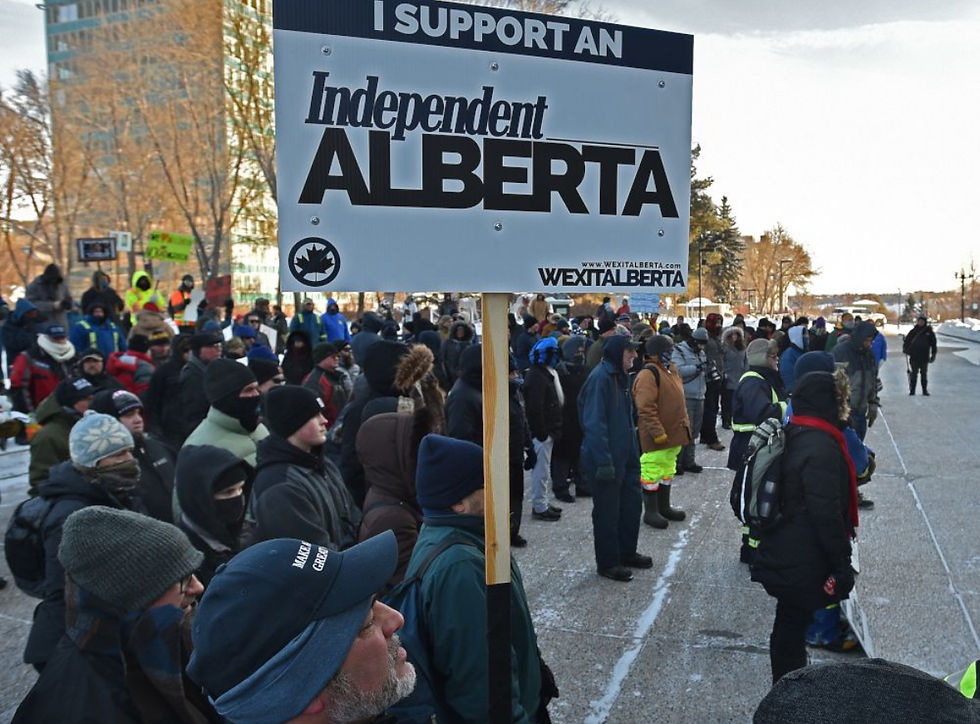
Alberta’s flirtation with separatism isn’t new. For decades, the province has grappled with feelings of alienation from Ottawa, citing grievances over federal policies, particularly those affecting its vital oil and gas sector. The “Wexit” movement, advocating for Western Canada’s independence, gained traction in the late 2010s and has seen periodic resurgences .
The Trump Factor
The latest wave of secessionist sentiment has been fueled by former U.S. President Donald Trump’s remarks suggesting that Canada, or at least parts of it, would be better off as part of the United States.
On the ground, groups like the Alberta 51 Project have been advocating for the province’s annexation into the U.S., citing economic benefits and cultural alignment with American values. The Republican Party of Alberta, formerly the Buffalo Party, has also emerged, promoting a platform that includes a binding referendum on independence and a subsequent non-binding vote on joining the U.S. .
Legal and Political Hurdles
Seceding from Canada and joining another country is no small feat. It would require a clear mandate through a referendum, constitutional amendments, and negotiations with both the Canadian and U.S. governments. Moreover, the move would set a precedent with far-reaching implications for national unity and international relations.
While the notion of Alberta becoming the 51st U.S. state captures attention and stirs debate, the path to such a reality is fraught with legal, political, and societal challenges. For now, the idea remains a topic of discussion, reflecting deeper issues of regional dissatisfaction and the complexities of federal-provincial relations in Canada.


Comments